
As we head into 2026, the helicopter market in Southeast Asia (ASEAN) is showing fresh momentum. Operators and manufacturers are navigating a post-pandemic landscape marked by returning demand, evolving fleet strategies, and some persistent challenges.
In this thought-leadership outlook, we take a conversational deep dive into the key questions shaping ASEAN’s rotorcraft sector – from growth drivers and in-demand models to supply chain hurdles, fleet modernization, and future forecasts.
The tone is forward-looking and humanized, just like a discussion among industry insiders, backed by the latest late-2025 data and forecasts for 2026. Let’s explore what’s in store.
What’s Driving Helicopter Growth in ASEAN in 2026?
Several converging factors are propelling a resurgence in the ASEAN helicopter market. Post-pandemic economic recovery across Southeast Asia has revitalized sectors that rely on rotorcraft – notably tourism, offshore energy, and emergency medical services (EMS).
International tourist arrivals in the region rebounded strongly through 2024-2025, lifting demand for aerial sightseeing, island transfers, and charter services. Meanwhile, the rebound in oil & gas exploration (buoyed by higher energy prices) has increased the need for offshore transport helicopters to support rigs and platforms.
These developments translate into renewed helicopter flight hours and new purchase requirements.
Notably, after a period of contraction in 2023, the regional fleet size began growing again in 2024. According to Asian Sky Group data, Southeast Asia’s civil helicopter fleet expanded by 4 net units in 2024 (a +0.8% growth), reversing a net loss of 15 aircraft (-3.1%) the year before.
This modest uptick signals that operators have resumed fleet upgrades and acquisitions as business confidence improves. Countries like Malaysia and the Philippines led the comeback in 2024, with Malaysia adding a net +6 helicopters (+4.8% growth) and the Philippines +4 (+3.7% growth) after a sharp decline the prior year.
Even Greater China’s market, which heavily influences regional trends, swung back to a small growth in 2024. While some markets (e.g. Indonesia and Japan) saw slight fleet reductions due to retiring older airframes, the overall regional trajectory is upward as of late 2025.
Economic growth and infrastructure development across ASEAN are also long-term drivers. The region’s robust growth means more demand for aerial work in construction, powerline maintenance, and disaster relief. Government investments in connectivity (e.g. hospital helipads, tourism facilities) are making helicopter operations more viable.
Additionally, fleet operators are buoyed by improving market sentiment – industry surveys in 2025 reflected a rebound in optimism among Asia-Pacific helicopter operators, after the uncertainties of prior years.
Looking ahead, forecasts signal solid expansion. The Asia-Pacific civil helicopter market (which includes ASEAN) is projected to grow at roughly 8% CAGR through 2030. In value terms, it could rise from about USD 17 billion in 2025 to USD 25 billion by 2030.
This growth will be driven not only by rising demand but also fleet modernization cycles and new mission requirements (e.g. maritime security, urban air mobility in the longer term).
In summary, 2026 will likely see ASEAN’s helicopter sector continue its recovery, underpinned by economic tailwinds and a pressing need to replace aging machines.
Country-by-Country Market Breakdown: Within ASEAN, certain countries are poised to lead growth in 2026. Indonesia, with its vast geography and archipelagic oil fields, historically maintains one of the largest fleets – and it’s now planning a massive expansion (more on that later).
Malaysia, a regional oil & gas hub, showed strong fleet growth in 2024 and should sustain momentum as offshore projects expand.
The Philippines, prone to natural disasters and spread over 7,000 islands, is bolstering its helicopter fleet for both military and civilian missions, driving demand.
Thailand saw a small net increase in 2024 (just +3 aircraft) but an impressive 10.7% relative growth rate due to its smaller base; indicating renewed investment in EMS and tourism helicopters.
Singapore’s commercial helicopter activity remains more niche (given its size), but as a financial hub it influences leasing and MRO trends region-wide.
Overall, expect ASEAN fleet growth in 2026 to be broad-based but led by Indonesia, Malaysia, and the Philippines, while others like Thailand and Vietnam gradually catch up as budgets allow.
Which Helicopters Are Most in Demand in Southeast Asia?
Helicopter demand in Southeast Asia is bifurcated between two key segments: rugged single-engine utility helicopters and versatile medium twins. These categories serve different mission profiles, and both are seeing strong interest going into 2026.
Light Single-Engine Helicopters: The ASEAN Workhorse – The light single segment (typically 4-6 seat, single-turbine rotorcraft) remains the backbone of many operations in ASEAN. In fact, light singles are the most popular category among Asia-Pacific operators, with over 2,100 in the regional fleet as of end-2024.
Models like the Airbus H125 (AS350 Écureuil) and Bell 206/505 JetRanger family are ubiquitous for their affordability, simplicity, and multi-mission flexibility. They handle everything from tourism flights and aerial photography to utility lifting and pilot training.
The Robinson R44/R66 series also has a strong presence for entry-level and private use. As tourism and charter flying rebound, demand for these light singles has been particularly robust – operators value their lower operating costs amid tight post-Covid budgets.
Even in larger countries like Australia (part of Asia-Pacific), about half of new helicopter additions in 2024 were single-engine machines, a trend driven by cost-effective operations in remote areas.
That pattern extends to ASEAN: single-engine models are seen as “workhorses” that can be economically deployed for daily tasks and quickly mobilized for emergency response when needed.
Not surprisingly, manufacturers are doubling down on this segment – for example, Robinson Helicopter announced its new 10-seat R88 model, explicitly targeting the competitive light single market dominated by the Airbus H125.
This shows the industry’s confidence that small single-engine helicopters will remain in high demand across Southeast Asia well into 2026 and beyond.
Medium-Class Rotorcraft: Offshore and SAR Demand – On the other end of the spectrum, medium twin-engine helicopters (typically 5–8-ton class) are highly sought after for critical missions like offshore oil & gas transport, search-and-rescue (SAR), and law enforcement.
In the offshore sector, medium twins currently dominate, making up about 57% of the Asia-Pacific offshore support fleet. Their appeal lies in a sweet spot of range, payload, and cost – they can ferry crews to distant oil platforms with sufficient safety margins, but at lower cost than heavy super-jumbo helos.
The Leonardo AW139 stands out as a regional favorite: it’s widely regarded as the “multi-mission” gold standard for offshore transport, SAR, and VIP duties.
In both Malaysia and Indonesia, the Sikorsky S-76C++ and Leonardo AW139 have been leading choices for operators, underlining how popular these medium twins are for ASEAN missions.
The AW139’s success has also spawned interest in newer medium models (e.g. Airbus H175 or Bell 412EPI upgrades) for similar roles.
For search-and-rescue and parapublic operations, medium twins and certain heavies see strong demand. Countries with extensive coastlines or disaster risks – like Indonesia, the Philippines, Vietnam – all need capable SAR helicopters.
Many have turned to models like the Airbus H225 and Sikorsky S-92 (classified as super-medium/heavy) to cover long-range maritime SAR. In mainland China’s offshore fleet, for example, the H225 and S-92 were prevalent alongside medium twins, pattern ASEAN nations are emulating as budgets allow.
The Philippines and Malaysia have both evaluated larger rotorcraft for SAR and combat search-and-rescue roles to extend their reach.
Heavy Lift and Specialized Types: While not as large a segment, there is also demand for heavy-lift helicopters in niche roles – such as disaster relief (flying relief supplies, construction materials) and military transport.
Models like the Russian Mi-17 or CH-47 Chinook have been used in this capacity. However, with Russian heavies facing support challenges (due to sanctions, discussed later), countries may lean more on Western heavies or additional medium helicopters with lift kits.
Additionally, specialized types like attack helicopters (e.g. Boeing AH-64 Apache, Turkish T129 ATAK) are in demand for defense modernization in a few ASEAN nations, but those are usually smaller fleet counts and very mission-specific.
In summary, the strongest market demand in Southeast Asia for 2026 is: small single-engine helicopters for utility and commercial tasks, and medium twin-engine helicopters for offshore energy support and public safety missions.
These categories will likely see the most acquisitions and leasing activity. The light singles provide the volume, while the medium twins provide the high-value capability.
It’s a dual-track demand profile that reflects ASEAN’s mix of needs – from island hopping to deepwater drilling.
How Are Operators Responding to Sanctions and Supply Gaps?
The global geopolitical climate has introduced new headaches for helicopter operators – especially those using Russian-made aircraft – by creating sanctions-related supply gaps.
Many ASEAN countries historically operated some Russian helicopters (like Mil Mi-8/17 transports or Mi-35 gunships) due to their ruggedness and affordability.
However, the war in Ukraine and subsequent international sanctions on Russia have severely disrupted support for these fleets. Russia has effectively halted exports of Mi-17 series helicopters and their spare parts to foreign buyers, leaving operators scrambling for alternatives.
Parts shortages are an immediate challenge. With OEM support constrained, some operators have resorted to third-party suppliers and stockpiling critical spares.
In a few cases, stealth supply chains have emerged – for instance, reports surfaced of a Thai-based company exporting helicopter parts to Russia to help bypass sanctions, highlighting the lengths some will go to obtain parts.
However, such workarounds carry legal risks and are not sustainable solutions. As a result, many Southeast Asian operators are accelerating fleet diversification. They are phasing out older Russian models earlier than planned and replacing them with Western helicopters that have reliable supply lines.
A prominent example is the Philippines, which canceled a contract for 16 Russian Mi-17 helicopters in 2022 over sanctions concerns, and instead turned to U.S.-built Sikorsky Black Hawks as a replacement. By 2024, Manila had acquired 10 new Black Hawks to fill the gap left by the scrapped Russian deal.
This reflects a broader pivot: ASEAN governments and commercial operators are shying away from new Russian purchases and investing in aircraft from OEMs in North America, Europe, or domestically.
Beyond sanctions, supply chain disruptions from the pandemic era are still lingering in late 2025, affecting all manufacturers. Spare parts remain scarce in some cases, grounding helicopters for extended periods due to delayed components.
Key items like engine parts and rotor blades have faced logistical bottlenecks and production backlogs. Operators have responded by building more robust parts inventories and forging partnerships for local parts production or repair.
There’s a push for agile logistics: companies are diversifying their supplier base (sourcing parts from multiple regions) and working more closely with OEMs to forecast needs.
Strategic partnerships are being emphasized to ensure parts availability and minimize downtime.
In practice, this means closer ties between operators and maintenance providers, e.g. signing long-term maintenance support agreements that guarantee parts pooling, or even investing in in-house MRO capabilities (maintenance, repair & overhaul) to refurbish and reuse components.
Another response is increased reliance on the pre-owned market and leasing to fill immediate gaps. If an operator can’t get parts to fix a grounded helicopter, they might lease a similar model as a stopgap.
This trend has been evident as supply chain issues persist; it’s easier to rent or buy a serviceable used helicopter than to wait for parts for a year.
However, this quick fix feeds into the rising prices of pre-owned helicopters (addressed in the next section).
On the regulatory front, ASEAN operators are lobbying for pragmatic solutions. Some aviation authorities have granted short-term maintenance extensions or flexibilities when parts are delayed (ensuring safety isn’t compromised, but allowing slightly longer intervals as needed).
Operators are also urging governments to avoid over-reliance on any single source country for critical fleet support – a lesson learned from the Russia situation.
In summary, operators are responding to sanctions and supply gaps with a mix of fleet strategy shifts and operational adjustments: retiring or replacing sanctioned-origin aircraft, strengthening supply chains through partnerships and inventory, leveraging the secondary market to plug holes, and coordinating with regulators for flexibility.
It’s a challenging period, but the industry is adapting to ensure that rotorcraft stay mission-ready despite geopolitics.
Why Are Light-Single Helicopters Leading the Recovery?
If there’s a poster child for the helicopter industry’s recovery in ASEAN, it’s the humble light single-engine helicopter.
This segment’s prominence in the rebound is no accident. Light singles combine low operating costs, versatility, and ease of deployment, making them ideal for jump-starting operations as markets recover.
During the depths of the pandemic, many expensive twin-engine helicopters (especially in corporate transport or offshore roles) were underutilized or put in storage.
In contrast, smaller single-engine helos, often used for utility work or domestic services were easier to keep running, and they were among the first to return to the skies as restrictions lifted.
Now in 2025 and heading into 2026, light singles are spearheading growth because they can quickly fulfill a surge in demand without the lengthy lead times or high expenses associated with larger aircraft.
For example, with tourism bouncing back, countries like Thailand and Vietnam saw a rapid revival of sightseeing flights and aerial tours, which predominantly use single-engine helicopters (like Robinsons or small Bells).
The cost of restarting these operations is relatively low. A Robinson R44 can be dusted off and flown with minimal crew, whereas larger helicopters might need more complex reactivation.
Similarly, EMS and medical evacuation missions, some of which utilize single-engine helicopters in ASEAN, picked up sharply as healthcare systems adapted to new norms.
In the first half of 2025, demand in the EMS segment actually grew, signaling the resilience of that sector even as overall helicopter sales were down. Light singles often support EMS in remote areas or inter-hospital transfers, thus benefitting from that resilience.
Another factor is the general aviation and training market. Across Asia-Pacific, many pilot training schools use light piston or turbine helicopters (Robinsons, Schweizer 300s, etc.).
As the industry now scrambles to train new pilots (more on the pilot shortage later), training fleets are expanding utilization.
The relative simplicity and lower fuel burn of light singles make them optimal for this surge in training hours.
Economics play a big role too. Coming out of an economic downturn, operators favor the most cost-efficient assets.
A single-engine helicopter not only costs less to operate per hour but also tends to have lower maintenance overhead and requires just one pilot (versus some twins that might need two pilots for certain operations under stricter rules).
This economic equation means operators can generate revenue more quickly with a light single. It’s telling that even as sales volumes dipped in 2024-2025, median prices for pre-owned single-engine helos climbed ~19%, indicating strong buyer interest despite fewer transactions.
Utility-configured singles (often the light class) saw transaction values jump 31% year-over-year; a clear sign that operators were bidding up these aircraft to meet mission needs.
Moreover, the technology and capabilities of light singles have improved, making them suitable for a wider range of tasks.
Modern single-engine models like the Airbus H130 (updated AS350 family) or Bell 505 come with advanced avionics, stability systems, and performance that approach older twins, but at a fraction of the operating cost.
This “better bang for buck” means operators can confidently deploy a single engine heli for missions that might have required a twin a generation ago.
The introduction of new models, e.g. the upcoming Kopter/Leonardo AW09 (a next-gen single) also reflects optimism that this category will drive growth.
Manufacturers see the writing on the wall: light singles are where volume growth is, especially in emerging markets of ASEAN.
In short, light-single helicopters are leading the recovery because they hit the sweet spot of affordability, flexibility, and sufficient capability. They were the first back in action as demand returned, and they continue to be heavily utilized as operators seek maximum efficiency.
For 2026, we can expect this trend to persist. Light singles will likely account for a large portion of flying hours and intraregional sales as the recovery story continues.
What’s the Forecast for Pre-Owned Helicopter Pricing in 2026?
The pre-owned helicopter market has been on a roller coaster in recent years, and as of late 2025, it’s been largely a seller’s market.
Used helicopter prices surged through 2022–2023 and remain elevated in 2024–2025, thanks to a combination of limited new production, supply chain hiccups, and renewed demand.
As we enter 2026, many operators and financiers are asking: will these high prices hold, soften, or even drop?
According to market intelligence from Aero Asset, the first half of 2025 saw median transaction prices for pre-owned single-engine helicopters jump 19% year-on-year, even as sales volume hit a four-year low.
In other words, fewer helicopters were changing hands, but those that did sold for significantly higher prices.
This dynamic was mirrored in the twin-engine market: global pre-owned twin heli sales fell to a five-year low in early 2025, yet pricing stayed firm.
In fact, the Asia-Pacific region defied the downturn in volumes by showing “bullish growth” in demand for used twins – likely one reason values didn’t slip.
Essentially, there have been more buyers with mission needs than there are good helicopters available to buy, which props up prices.
Going into 2026, industry experts forecast a gradual normalization of the pre-owned market, but not an outright crash in prices.
Inventory of used helicopters is slowly increasing – by mid-2025 the supply of single-engine helos for sale was up 9% year-over-year, and absorption rates (how quickly inventory is sold) stretched to their longest in four years.
These are early signs that the market could be cooling off from its peak frenzy. As manufacturers like Airbus and Bell ramp up production to deliver new helicopters (delayed from pandemic slowdowns), some pressure will be taken off the pre-owned market.
For example, if offshore operators finally receive those new-build AW139s or H175s they ordered, they may release some older aircraft into the secondary market.
However, several factors will likely keep pre-owned prices relatively high through 2026. First, the helicopter fleet is aging; many operators still need to replace 1980s/90s-era models, and if new ones aren’t readily available, they’ll pay a premium for low-hour used aircraft that are available now.
Financing rates (interest rates) have been rising, which paradoxically can buoy used prices: with higher borrowing costs, some buyers turn to cheaper pre-owned deals rather than financing a pricey new aircraft.
Also, some mission segments like utility, EMS, and SAR have near-insatiable demand for certain models.
For instance, an Airbus H125 or Bell 407 in good condition will find eager buyers in Asia due to its utility value. These models have been among the most “liquid” in the market, with strong trading activity.
As long as demand stays high in these niches, prices won’t drop dramatically.
Regional dynamics play a role as well. Asia-Pacific (and ASEAN within it) is still a growth market for helicopters, unlike some saturated markets in the West. Thus, we might continue to see APAC buyers willing to pay top dollar (or top dong, baht, rupiah) for quality pre-owned helicopters, especially if it means immediately boosting capacity.
This was evidenced by Asia-Pacific’s resilience in 2025’s twin-engine resale market.
Our outlook for 2026: Pre-owned prices should remain firm in the first half of the year, potentially even edging up for the most in-demand models.
By mid to late 2026, if supply chain issues ease and new deliveries pick up, we anticipate a plateauing or slight correction in prices.
Think of it less as a bubble bursting and more as a soft landing – values coming down from extreme highs to just moderate highs.
Helicopter appraisers might finally see pricing trends decouple from the steep climb of the past two years and stabilize.
One caveat: any unforeseen shocks (for example, if a recession hits or if there’s a sudden flood of ex-military surplus helos onto the market) could change this trajectory.
But barring that, 2026 should be a year of relative price stability in the used helicopter market, with perhaps a buyer’s market emerging in 2027 as more inventories becomes available.
For operators, this means budgeting for little relief on prices in the near term. Those who secured good deals on pre-owned aircraft in 2019-2020 are sitting on appreciated assets now.
And those looking to acquire in 2026 should plan for competitive bidding, especially for popular types, but can also expect that once they do purchase, the asset is likely to hold its value reasonably well through the year.
How Are Governments Upgrading Their Helicopter Fleets?
ASEAN governments are acutely aware that modern, capable helicopter fleets are crucial for national security and disaster response – lessons underscored by recent natural disasters and regional security tensions.
As a result, many governments in the region have kicked their helicopter modernization programs into high gear approaching 2026.
A standout case is Indonesia, which has announced one of the most ambitious procurement plans in the world.
In December 2025, Indonesian Defense Minister (and President-elect) Prabowo Subianto stated the country plans to buy up to 200 new helicopters starting in 2026 for defense and disaster relief missions.
This jaw-dropping number, spurred by Indonesia’s tragic experiences with floods and its vast disaster-prone terrain, illustrates how serious the government is about expanding capacity.
Indonesia had already begun receiving a few new helicopters in late 2025, but from January 2026 onward they intend to rapidly scale up acquisitions.
While the exact mix of models isn’t specified publicly, one can expect a combination of utility transport helicopters (to replace/augment ageing Mil Mi-17s and Bell 412s for the Army), SAR helicopters (for agencies like BASARNAS), and possibly attack or naval helicopters to boost military capabilities.
This procurement drive will make Indonesia the leading country in ASEAN helicopter purchases in 2026 by a wide margin.
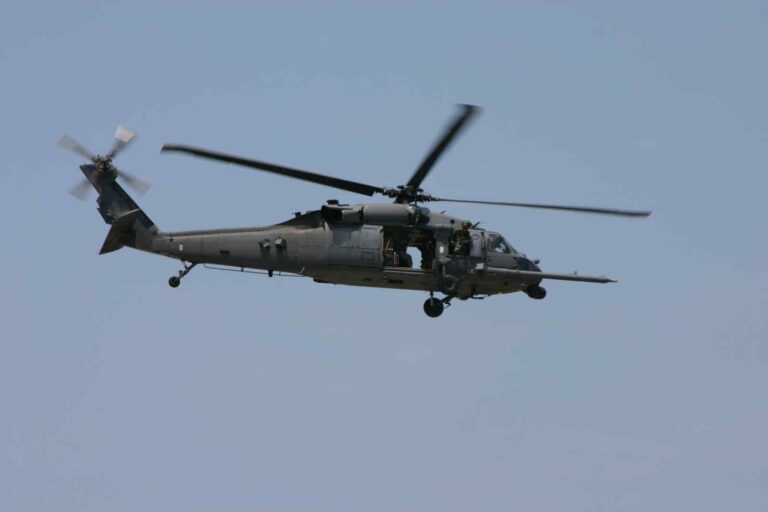
The Philippines is another active modernizer. Over the past few years, the Philippine Air Force (PAF) has been retiring its legacy UH-1H Hueys and older Bell utility helos and replacing them with Sikorsky S-70i Black Hawks.
Under a multi-year contract, 32 Black Hawks were ordered, and deliveries have been ongoing – 10 were delivered in 2024 alone, and additional batches arrived in 2025.
By August 2025, another 5 Black Hawks were delivered to the PAF, bolstering their fleet for transport and disaster response.
These modern helicopters have already proven their value, assisting in disaster relief operations (typhoon response, etc.) and joint exercises.
The Philippine Army and Navy are likewise investing in rotorcraft: the Army received a couple of T129 ATAK attack helicopters from Turkey and expects more, while the Navy has been operating new Airbus H145s for maritime patrol and is eyeing anti-submarine warfare helicopters (like the AW159) to protect its waters.
By 2026, the Philippines will have largely completed the renewal of its utility fleet, significantly improving mission readiness for both defense and humanitarian operations.
Malaysia, for its part, has been deliberating new helicopter purchases to rejuvenate aging fleets. The Royal Malaysian Air Force retired its old Sikorsky S-61 “Nuri” helicopters in 2019, leaving a gap in medium lift capability.
Plans to acquire replacements (potentially Black Hawks, or the newer medium lift AW149) have been in discussion.
Likewise, the Royal Malaysian Navy has been evaluating helicopters for anti-surface and anti-submarine warfare to operate from its frigates.
In mid-2025, during a high-profile visit to France, Malaysia inked agreements with Airbus Helicopters aimed at bolstering local aerospace capabilities, hinting at an intent to acquire new helicopters for missions like tactical transport, combat search-and-rescue (CSAR), and anti-surface warfare.
These partnerships indicate Malaysia is preparing its industry for incoming defense helicopter projects.
We anticipate that in 2026 Malaysia will move forward on one or more procurement programs – possibly a medium multi-role helicopter for the Air Force or Navy – to address those capability gaps.
On the civilian side, Malaysian agencies (like the police and coast guard) have already added modern helicopters in recent years (e.g. AW139s, AW189s for maritime enforcement and firefighting), and that trend of upgrading law enforcement air units will continue.
Thailand has incrementally upgraded its helicopter fleets as well. The Royal Thai Air Force acquired Airbus H225M Caracal helicopters for CSAR in the last decade and could order a few more to replace remaining old platforms.
The Army and Navy have been buying US-made helicopters through foreign military sales: the Thai Army has a mix of UH-60 Black Hawks (some newly delivered Ms in recent years) and light scout helos, and it may look to standardize on more Black Hawks for utility roles.
The Royal Thai Navy operates older S-76s and Super Lynx for shipborne operations; discussions have floated about replacing those with newer models (such as MH-60 Seahawk variants or AW159) to keep up with neighboring navies.
In sum, Thailand’s approach is gradual modernization – replacing a few helicopters at a time as budget allows – but steadily phasing out Vietnam War-era aircraft.
Vietnam faces a unique situation: it traditionally relied on Russian helicopters (Mi-8/17 for transport, Mi-24/35 for attack, Ka-28 for naval ops). With sanctions affecting Russian support, Vietnam is in the market for Western replacements.
There’s been talk of Vietnam potentially acquiring helicopters from the U.S. or Europe (for example, the U.S. offered some ex-US Army UH-60 Black Hawks through defense cooperation programs).
If diplomatic and budgetary conditions align, 2026 could see Vietnam making its first significant Western helicopter purchase, marking a big shift in its defense procurement.
Finally, Singapore – while a smaller market in quantity – operates some of the region’s most advanced military helicopters.
The Republic of Singapore Air Force (RSAF) in recent years acquired Boeing CH-47F Chinooks and Airbus H225M helicopters, replacing older Chinooks and Super Pumas. These were delivered around 2021–2022.
By 2026, Singapore will likely focus on upgrading capabilities (such as better avionics, weapons, and networking for its AH-64D Apache attack helos) rather than buying many new airframes, as its fleet is already modern.
Singapore often leads in adopting cutting-edge upgrades, which can trickle to other ASEAN forces later.
In summary, ASEAN governments are heavily investing in new helicopters to replace legacy fleets and enhance capabilities.
The emphasis is on multi-mission utility helicopters that can perform troop transport, disaster relief, and maritime duties, as well as specialized attack and anti-submarine helicopters for those who need them.
2026 will witness major deliveries (Philippines’ Black Hawks, Indonesian new buys, etc.) and possibly new orders (Malaysia, Vietnam) as each country strives to build a fleet fit for the challenges of the late 2020s.
The result will be a significant overall boost in the region’s rotorcraft quality and quantity, improving everything from day-to-day search-and-rescue coverage to collective security posture.
Where Are MRO Capabilities Expanding in ASEAN?
Maintaining a growing and modernizing helicopter fleet requires robust Maintenance, Repair, and Overhaul (MRO) infrastructure.
Traditionally, Singapore has been the region’s aerospace MRO powerhouse – it’s home to major facilities that service both fixed-wing and rotary-wing aircraft from around Asia.
However, recent moves show that MRO capabilities are expanding in other ASEAN countries as well, aligning with governments’ desires for greater self-sufficiency and industrial development.
Malaysia has emerged as a key player pushing to enhance local MRO. In 2025, Airbus Helicopters signed memoranda of understanding with Malaysian industry partners to boost in-country helicopter MRO capacity.
One agreement with Global Turbine Asia (GTA) aims to advance local component MRO capabilities, particularly for military helicopter engines and parts.
This is strategically timed: Malaysia is on the cusp of acquiring new military helicopters, and the partnership will ensure the country can support those assets domestically, reducing reliance on overseas service centers.
The collaboration also includes technology transfer and training, meaning Malaysian engineers will gain expertise on advanced rotorcraft systems.
Overall, Malaysia has ambitions to rank among the top aerospace hubs in Southeast Asia – indeed, a government master plan (MAIB 2030) projects Malaysia becoming the #2 MRO destination in ASEAN by 2030, behind only Singapore.
With investments like the Airbus-GTA initiative and the existing Subang aerospace park (where Airbus and Leonardo have facilities), Malaysia is steadily expanding its helicopter MRO footprint.
Meanwhile, Thailand is positioning itself as an “aerospace sustainment” hub for the wider Asia-Pacific region. Thai Aviation Industries (TAI), a state-owned enterprise, has been building its capabilities to service both military and some civilian aircraft.
In late 2025, Airbus announced it is deepening MRO cooperation with TAI, recognizing Thailand’s growing role in regional sustainment.
This partnership focuses on supporting the Royal Thai Air Force’s Airbus platforms (like the C295 transports and H225M helicopters) and potentially expanding to broader regional support out of Thailand.
With its strategic location smack in the middle of Southeast Asia, Thailand can offer shorter turnaround times for nearby countries looking for maintenance options outside of Singapore.
Airbus’s move to enhance TAI’s capacity – including component services, training, and digital maintenance support – underscores this trend.
Additionally, Thailand’s Eastern Economic Corridor (EEC) development is attracting aerospace investments, potentially including new MRO centers at U-Tapao airport.
By 2026, we expect Thailand to ramp up marketing of its MRO services to ASEAN neighbors, leveraging Airbus’s endorsement.
Indonesia also cannot be overlooked. Indonesia’s state-owned aerospace firm, PT Dirgantara Indonesia (PT DI), has long done license-production and MRO for helicopters (e.g. NBell 412s, Super Pumas) used by the Indonesian military.
With the massive new helicopter procurement planned, there will undoubtedly be parallel investment in maintenance facilities and local assembly for some of those units.
While details aren’t public, one can anticipate that Indonesia will negotiate for local MRO capabilities as part of any major purchase (for example, if they buy a large number of Airbus or Bell helicopters, setting up a local depot or training center will be part of the deal).
Indonesia’s sheer fleet size will necessitate more overhaul shops and spares warehouses in-country.
And then there’s Singapore, the stalwart. Singapore Technologies (ST Engineering) Aerospace, along with Airbus Helicopters Southeast Asia, continue to service a large volume of helicopters from around ASEAN.
Singapore’s advantage is a highly skilled workforce and a strong civil aviation authority oversight which gives confidence in quality. It is also often the go-to location for complex component overhauls (like engine refurbishments) that smaller countries can’t yet handle.
Even as neighbors build capacity, Singapore is also expanding – moving into new technologies like smart diagnostics, and handling new generation models. For example, when the Airbus H160 or other new helos arrive in Asia, Singapore is likely to be an early certified service center.
To summarize the geography of expanding MRO: Malaysia and Thailand are the two notable growth areas for helicopter MRO capabilities in ASEAN, backed by partnerships with OEMs (Airbus, etc.) and government support. Indonesia will build out capacity driven by its acquisition spree.
Singapore remains a central hub, especially for sophisticated work and international clients.
The net effect is a more distributed MRO network in ASEAN. This is good news for operators – more local options mean reduced ferry times (sending helicopters abroad for heavy maintenance can be costly and time-consuming) and potentially more competitive costs.
It also enhances regional self-reliance; in a crunch (say, a military conflict or another pandemic), ASEAN countries will be better able to keep their fleets flying without external help.
One thing to watch in 2026 is whether other OEMs follow Airbus’s lead in partnering locally. We might see companies like Bell, Leonardo, or Sikorsky striking deals with ASEAN companies to authorize service centers or even set up joint ventures, riding the wave of fleet modernization.
Given that the Asia-Pacific MRO market is expected to grow 8% annually through 2031, there’s plenty of incentive to establish a presence.
Industry observers note that the sustainment market in Asia is fast-growing and competitive – dominated today by Singapore, and with Malaysia rising.
For the region’s helicopter operators, this competition is a welcome development, promising better service and support as their fleets expand.
What’s the Role of Leasing in Fleet Strategy for 2026?
Leasing has become an integral part of the aviation industry globally, and the helicopter sector in ASEAN is no exception.
In 2026, helicopter leasing will continue to play a crucial role in fleet strategy for many operators – from oil-and-gas transport companies to EMS providers and even government agencies.
The appeal of leasing is straightforward: it offers flexibility and capital relief. Instead of spending a huge sum upfront to buy a helicopter, an operator can lease it (either dry lease or via power-by-the-hour arrangements) and pay over time, which preserves capital and allows easier scaling of fleet size up or down as demand changes.
Over the past decade, Asia-Pacific’s leased helicopter fleet has grown steadily, reflecting this approach. At the end of 2020, the Asia-Pacific region had about 246 helicopters on lease, and that number has only increased since.
Major helicopter lessors, such as Milestone Aviation (part of AerCap), Macquarie Rotorcraft, LCI, and BP Leasing – have all established clientele in Southeast Asia. They typically purchase helicopters (new or pre-owned) and then lease them to operators on multi-year contracts.
These lessors are especially active in high-value segments like offshore oil & gas support, where helicopters like the AW139 or S-92 are needed but individual operators may not want the full ownership burden.
One practical role leasing plays: bridging supply gaps. If an operator wins a new contract (say, an offshore transport deal or a government EMS contract) and needs a helicopter immediately, leasing is often the fastest way to get a ready aircraft.
For example, PHI Aviation – a global offshore operator active in Asia – expanded its fleet by leasing additional Sikorsky S-92 and Leonardo AW139 helicopters from Milestone to meet growing customer demand.
Milestone’s CEO noted that with these deliveries, they quadrupled the number of Milestone-owned aircraft in PHI’s fleet, underscoring how operators can rapidly scale operations through leases.
PHI’s managing director highlighted that such arrangements enable them to meet increased demand for services without the long lead time of buying aircraft.
This flexibility is invaluable in markets like ASEAN, where demand can spike due to new oil projects or urgent disaster relief needs.
Leasing also helps operators navigate uncertain utilization. For seasonal missions or projects of limited duration, leasing a helicopter for a few years (or even months) is more sensible than buying and then potentially being stuck with an idle asset later.
For instance, if an ASEAN country’s coast guard needs a heavy helicopter for a 2-year mission while awaiting delivery of a new one, leasing can fill that interim need.
We’ve seen creative use of purchase/leaseback deals too: companies will sell their owned helicopter to a lessor and immediately lease it back, freeing capital while retaining use of the machine.
In September 2025, Milestone did exactly that with Bristow Group for two new AW139 SAR helicopters; Bristow got cash in hand, and Milestone got a lease client for those aircraft.
From a strategic standpoint, leasing in 2026 is particularly attractive given the high purchase prices of helicopters and rising interest rates. For many smaller operators in ASEAN, access to financing to buy helicopters outright can be challenging.
Leasing companies, with their large balance sheets, effectively finance the purchase and then rent the aircraft. This democratizes access.
A charter operator in, say, the Philippines can operate a latest-generation helicopter via lease, which they might never afford to buy directly.
Even government agencies have used leasing for speed; there are instances of police or EMS services in Asia leasing helicopters while awaiting budget approvals for procurement.
That said, leasing is not without its considerations. Lease rates will reflect the strong market – so costs have risen somewhat.
Also, lessees must maintain the aircraft per the lessor’s requirements and returning a helicopter at lease end entails meeting strict conditions (which can be costly). But these are understood trade-offs.
Looking into 2026, expect leasing companies to continue expanding their footprint in Southeast Asia. They may introduce more new technology helicopters via leases (for example, offering the upcoming Airbus H160 or Leonardo AW169 on lease to test the market).
Lessors have also been known to reposition assets globally. If Europe’s market is slow but Asia’s is hot, they’ll move helicopters to Asia.
In fact, Macquarie’s rotorcraft arm acquired 12 helicopters from Milestone in 2023, likely redistributing and optimizing portfolios, which often results in some being placed in Asia where demand is growing.
This dynamic means ASEAN operators could see a wider variety of lease offerings.
In conclusion, leasing is a key part of fleet strategy in 2026 because it provides flexibility, speed, and financial efficiency.
It allows operators to align capacity with demand nimbly – an essential capability given the region’s cyclical industries and disaster-prone environment.
We foresee leasing not as a last resort but as a mainstream option that many helicopter fleet managers in ASEAN will leverage as they plan their 2026 operations.
Is the Pilot Shortage Still a Problem in 2026?
In a word: Yes. The shortage of qualified helicopter pilots (and maintenance technicians) remains a pressing issue in 2026, both globally and in the ASEAN region.
This is a challenge that predates Covid but was exacerbated by it – and despite efforts to mitigate it, the gap hasn’t closed yet.
The aviation industry at large is facing a talent crunch. ICAO and other bodies have sounded the alarm that Asia-Pacific will need over 230,000 new pilots and 250,000 new maintenance technicians by 2042 to meet demand.
While that figure spans all of aviation (with a big chunk for airlines), rotorcraft are an important subset, especially for technicians (since many mechanics cross-train on both airplanes and helicopters).
With helicopters, the issue is evident in multiple ways:
- Operational bottlenecks: Companies have helicopters available but not enough crew to fly them at the desired tempo.
This has happened in offshore operations where missions had to be curtailed because of crew limitations, or in EMS services that struggle to staff all bases 24/7 due to pilot shortages. - Training pipelines under strain: The pandemic saw a lot of early retirements and departures from aviation. As demand returns, training new pilots takes time.
It can be a multi-year journey from zero to commercial helicopter pilot. The industry is trying to fast-track training, but quality and safety can’t be compromised, so it’s a careful balance. - Technician shortage: Equally critical is the lack of licensed Aircraft Maintenance Engineers (AMEs) for helicopters. Older mechanics are retiring, and there aren’t enough younger ones taking their place, partly due to the specialized skills and not as much glamour or awareness compared to pilot careers
So, coming into 2026, the pilot shortage is still very much a concern, though there are signs of a robust response emerging. Countries in Asia-Pacific, including Singapore and Australia, have launched initiatives to train more pilots domestically.
We see airlines and some helicopter operators sponsoring cadet programs. Additionally, the industry is embracing more technology in training – for example, virtual reality simulators and AI-based training aids – to scale up pilot training in a standardized way.
But these solutions will take time to bear fruit.
From a numbers perspective, the 2025 Boeing Pilot & Technician Outlook projected a global shortfall of about 34,000 pilots by 2025 (almost 10% of the workforce) if training doesn’t accelerate.
That shortfall is uneven – North America and Europe have been hit hard, but Asia, with its growth, has a structural need for even more pilots.
Helicopter operators in ASEAN often poach from each other or even from abroad, which isn’t a long-term fix but a stopgap.
Some operators have raised salaries or offered better rosters to attract pilots (for instance, offering rotation schedules that allow more time at home, which is a big factor in offshore jobs).
Another facet in 2026 is the competition from the airline sector. As airlines ramp up hiring for thousands of new pilots, some helicopter pilots transition to fixed wing for better pay or lifestyle, further straining the rotorcraft side.
Retention of experienced instructors and examiners is also an issue; if they retire, training capacity goes down.
However, not all is doom and gloom. The industry acknowledges the issue and is working on it. Notably, in a 2025 global market report, the pilot and technician shortage was highlighted as one of the major bottlenecks to growth, right alongside parts shortages. Acknowledging the problem is the first step.
In Southeast Asia, there’s now a concerted push for “ab initio” helicopter pilot programs in countries like Indonesia and the Philippines, where young candidates are trained from scratch and bonded to serve local operators for a few years.
Governments are also looking at easing certain regulatory hurdles – for example, harmonizing licensing standards regionally so that a pilot from Malaysia could more easily work in Indonesia if needed, creating a larger talent pool.
For 2026 specifically, we anticipate incremental improvements: slightly more graduates from pilot schools, and perhaps better utilization of simulation to offload some in-flight training hours. But the gap won’t be fully closed.
The pilot (and technician) shortage will still be a constraint on ASEAN’s helicopter industry in 2026, meaning operators must plan around it.
Whether that means scheduling wisely to avoid crew burnout or investing in their own training academies.
In summary, yes, the shortage persists. The solutions underway – training expansion, cross-border cooperation, tech integration – are in motion, but their impact will be gradual.
The industry must navigate 2026 with this reality in mind: you can buy all the helicopters you want, but without skilled humans to fly and fix them, they won’t get off the ground.
Addressing this remains a top priority in ensuring sustainable growth of the rotorcraft sector.
Which Countries Are Leading Helicopter Procurement This Year?
Talk about helicopter buying sprees in 2026? Indonesia and the Philippines are taking the spotlight in Southeast Asia – with Indonesia in a league of its own due to the sheer scale of its plans.
Indonesia as discussed earlier, has announced an unprecedented plan to acquire up to 200 helicopters starting in 2026.
This initiative, driven by the twin needs of bolstering defense capabilities and improving disaster response, means Indonesia will be signing multiple contracts with various manufacturers.
While details are still unfolding, one could expect a diversified acquisition: possibly a mix of medium lift helicopters (e.g. Black Hawks or Airbus H225Ms) for the Army and Air Force.
Light attack or scout helicopters to modernize attack capabilities (Indonesia has shown interest in platforms like the Airbus H145M or even AH-64 Apaches in the past), and maybe additional naval helicopters for its expanding fleet of ships.
The focus on disaster relief also suggests search-and-rescue helicopters (Indonesia might look at machines like the AW189 or S-92 for long-range SAR over its islands).
With 200 units, it’s likely Indonesia will procure from multiple sources; possibly splitting between U.S., European, and maybe local assembly deals.
In any case, Indonesia will by far lead ASEAN in new orders in 2026 and indeed be one of the top helicopter buyers globally for the year.
The impact of this will be felt across the industry (manufacturers ramping up production lines, training programs for Indonesian crews and maintenance, etc.).
The Philippines is not quite at Indonesia’s level in quantity, but it has been consistently procuring and receiving new helicopters. In 2026, the Philippine Air Force will continue taking delivery of the remaining S-70i Black Hawks from its 32-unit order.
By the end of 2026, all those Black Hawks are expected to be in service, cementing the PAF’s capabilities in transport and disaster response (they’ve already been extensively used in relief operations.
Additionally, the Philippines has plans to acquire dedicated attack helicopters; likely additional units of the T129 ATAK (after the first two were delivered, more are in the pipeline).
There’s also an intention to beef up the naval helicopter fleet for its new frigates; an order for anti-submarine warfare helos (possibly AW159 Wildcats) could materialize in 2026 if funding permits.
So while not as headline-grabbing as Indonesia’s 200, the Philippines is steadily leading in modernizing its fleet and will be a significant recipient of new rotorcraft in the region.
Looking at others:
- Malaysia has been relatively quiet on actual orders but active in plans (as noted, MOUs with Airbus and talk of new acquisitions).
2026 could be the year Malaysia pulls the trigger on one or two key helicopter procurements. If it does, that could involve an order for a medium multi-role helicopter for the Air Force or Navy.
For example, Malaysia might decide on a platform like the Leonardo AW149 or Airbus H175M to replace its retired Nuris. It’s also eyeing maritime ops helos; if budget is freed, a few units for the Navy’s Littoral Combat Ships might be ordered.
Should Malaysia confirm any of these buys in 2026, it would join the “leaders” of procurement, albeit in smaller numbers compared to Indo/PH.
- Thailand might not place massive new orders in 2026, but we could see small follow-on orders.
The Thai Army could take a few more UH-60Ms via FMS (the U.S. has been supportive in that area).
The Thai Navy, if it secures funding, might order a couple of new shipborne helicopters to replace aging ones. So Thailand could feature, but not at a scale to rival the top two.
- Vietnam is the dark horse. If Vietnam signs a deal for Western helicopters (be it U.S. or European) in 2026, it would be notable because it marks a strategic shift.
Even a dozen helicopters (e.g. UH-60s or H225Ms) for Vietnam would make news given the historical context. There are hints Vietnam is evaluating options, possibly in exchange for closer defense ties with Western nations.
We’ll watch if 2026 brings any concrete developments there.
- Singapore and Brunei are likely not significant buyers in 2026 because their inventories are relatively modern (Singapore) or limited in need (Brunei).
Singapore’s last big helo purchase was a few years ago; nothing major is expected in 2026.
Brunei might receive a couple of helicopters it ordered earlier (they were reportedly getting a few Sikorsky Black Hawks for their Air Wing), but scale is small.
In summary, 2026’s helicopter procurement in ASEAN will be spearheaded by Indonesia’s enormous acquisition program and the Philippines’ ongoing modernization.
These two countries are investing heavily in rotorcraft to address both security and humanitarian requirements.
Other countries will contribute to demand on a smaller scale, especially if Malaysia moves forward with expected orders.
Collectively, this means Southeast Asia will be a hot market for helicopter sales in 2026, a trend that manufacturers and lessors are surely noting.
It’s a boon for the industry – and ultimately, it means the region’s citizens will benefit from better equipped military and emergency services from these procurements.
2027 and Beyond: What Signals to Watch?
While our focus is on 2026, it’s worth peering just over the horizon. What signals should we watch in the rotorcraft space beyond 2026? Here are a few key ones that will shape the market in 2027 and beyond:
- Emergence of Advanced Air Mobility (AAM): The late 2020s will likely see the introduction of electric vertical takeoff and landing (eVTOL) aircraft in some Asian cities.
By 2027-2030, these “air taxis” might start handling certain roles like urban shuttle flights.
While eVTOLs won’t replace helicopters for heavy-duty missions, they could begin to nibble at the edges of the market (e.g. short urban hops that might otherwise use a light helicopter).
Keep an eye on regulatory approvals in Singapore, Malaysia, or Thailand for pilot projects using eVTOLs. These will signal how quickly AAM might become a competitor or complement to helicopters in the region. - New Helicopter Models and Technologies: Several next-generation helicopter models are slated around this timeframe.
The Airbus H160 medium twin, for instance, is entering service globally; how widely it gets adopted in ASEAN by 2027 will indicate the market’s appetite for cutting-edge, more efficient helicopters.
Likewise, the Leonardo AW09 (formerly Kopter SH09) single-engine helicopter is expected to hit the market, offering a modern option for the light single segment.
If these new models gain traction (orders/deliveries) in Southeast Asia, it will signal continued fleet renewal and possibly a shift towards more fuel-efficient designs.
Additionally, technologies like automation and avionics upgrades will proliferate.
We might see early steps towards single-pilot IFR operations or more autonomous systems for helicopters, which could partially alleviate pilot shortages or improve safety. - Oil Price and Offshore Activity: The health of the offshore oil & gas industry is a bellwether for the helicopter market, especially in ASEAN countries like Malaysia, Brunei, and Indonesia.
If oil prices stay robust or climb, expect a flurry of activity; more helicopter contracts, life extensions of older heavy helicopters, and possibly investment in bigger models.
Conversely, if there’s an oil downturn, that could soften demand for the larger end of the fleet.
By 2027, we’ll see how the energy transition (shift to renewables) is balancing with oil demand.
Any major moves (like a big pivot to offshore wind farms, which also require helicopters for maintenance) could open new mission profiles in the region. - Geopolitical and Defense Signals: Southeast Asia sits amid strategic competition.
Territorial disputes in the South China Sea and great power dynamics mean defense budgets are likely to keep rising.
Watch for signals like joint ASEAN defense collaborations or major foreign military sales approvals.
For example, if the US Congress greenlights a large sale of helicopters to a country like Vietnam or if Japan begins co-developing helicopter tech with partners in the region.
These moves will indicate sustained or growing demand for military rotorcraft beyond 2026.
Also important is how regional militaries integrate their new toys.
By 2027 we’ll see if, say, the Philippines decides it needs more attack helicopters after evaluating the initial ones, or if Indonesia’s massive heli influx leads to doctrine changes (like forming new helicopter units). - Fleet Age and Environmental Regulations: Helicopters, like all aircraft, face pressure to become greener.
There’s talk of sustainable aviation fuel (SAF) for helicopters; by 2027, we might see some operators in Asia routinely using blends of biofuel in their fleet if supply and cost allow.
Any regulatory signal such as emissions standards or noise regulations tightening in tourist areas; could drive demand for newer, quieter, cleaner models (e.g. H130 with Fenestron tail rotors for low noise).
Keep an eye on places like Singapore, which might lead in setting such standards in ASEAN. - Infrastructure and Airspace Integration: Lastly, how will helicopter infrastructure evolve?
Signals to watch include investment in new helipads, hospital rooftop ports, and improvements in air traffic management.
If countries start building more heliports or vertiports, it suggests a belief in growing air mobility needs (be it helicopters or eVTOL).
Also, the integration of helicopters into digital ATC systems and Unmanned Traffic Management (UTM, for drones) will be important by late decade.
Successful integration will ensure helicopters can coexist with the coming wave of drones and eVTOLs safely.
Overall, the period 2027 and beyond promises further evolution. With growth likely continuing, but also transformation.
The signals above will help industry watchers gauge whether the ASEAN helicopter market is entering a new phase of modernization and expansion (driven by tech and demand), and how external factors like energy markets and geopolitics play into it.
For operators and stakeholders, staying attuned to these signals will be key to strategic planning, ensuring that when the rotorcraft landscape shifts, they’re ready to fly with the changes
